
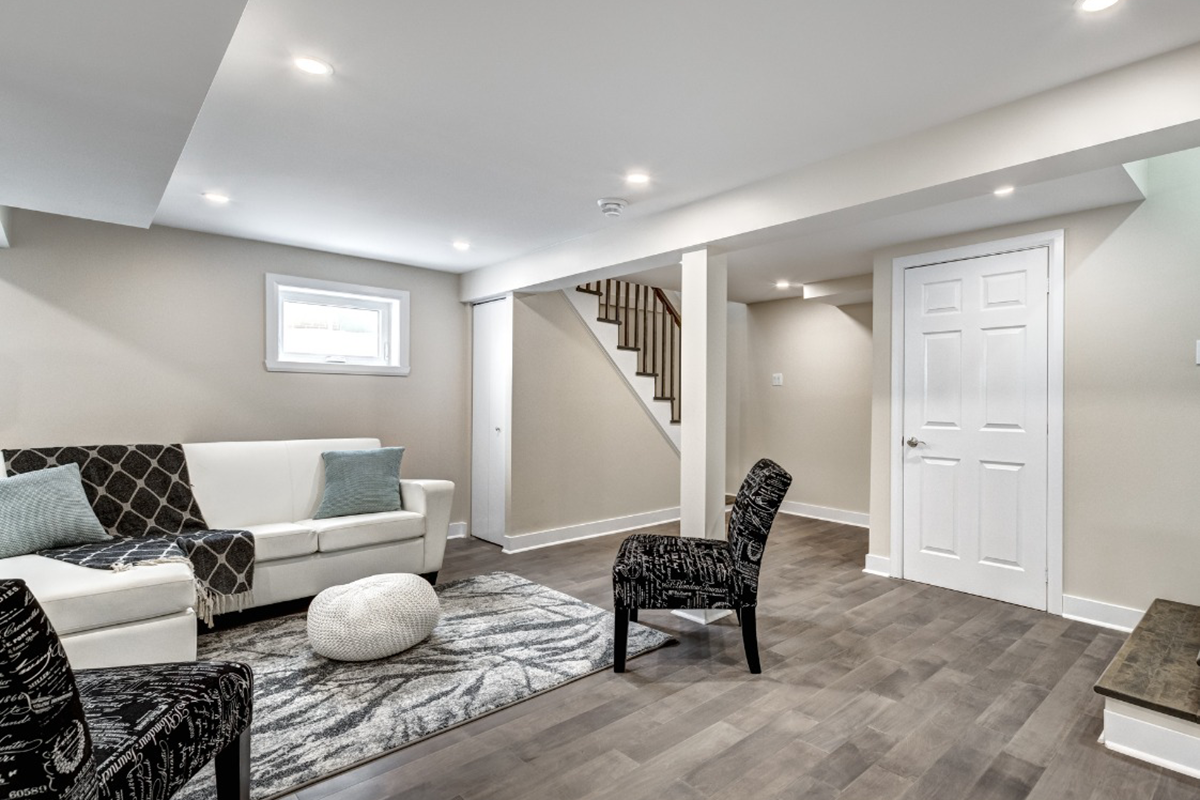
Legal Basement Apartment Renovations in London, Ontario
Table of Contents
Looking to add a legal basement apartment to your home in London, Ontario? At London Renovations, we specialize in basement finishing and secondary suite conversions that are fully compliant with the Ontario Building Code and City of London by-laws. Whether you’re planning to rent it out for extra income or create an in-law suite for family, we make the process seamless from permits to final inspection.
Why Build a Legal Basement Apartment?
✔️ Generate Rental Income – Offset your mortgage with a secondary unit.
✔️ Boost Property Value – Legal suites increase resale appeal and market value.
✔️ Safe & Compliant Living – Meet fire code, egress, and safety standards.
✔️ Flexible Use – Perfect for students, renters, or extended family.
Our Basement Apartment Renovation Services
We provide turnkey solutions for legal basement apartments in London, ON, including:
- Basement Design & Architectural Plans (layout, drawings, permits)
- Full Basement Finishing (framing, drywall, insulation, flooring)
- Plumbing & Electrical Upgrades (ESA-certified & city inspections)
- Kitchen & Bathroom Installations
- Separate Entrance Construction (side door, walkout, or interior upgrade)
- Egress Windows & Fire Exits (to meet Ontario Building Code)
- Fire Separation & Soundproofing (between units)
- Heating & Ventilation Compliance
- Painting & Final Touches
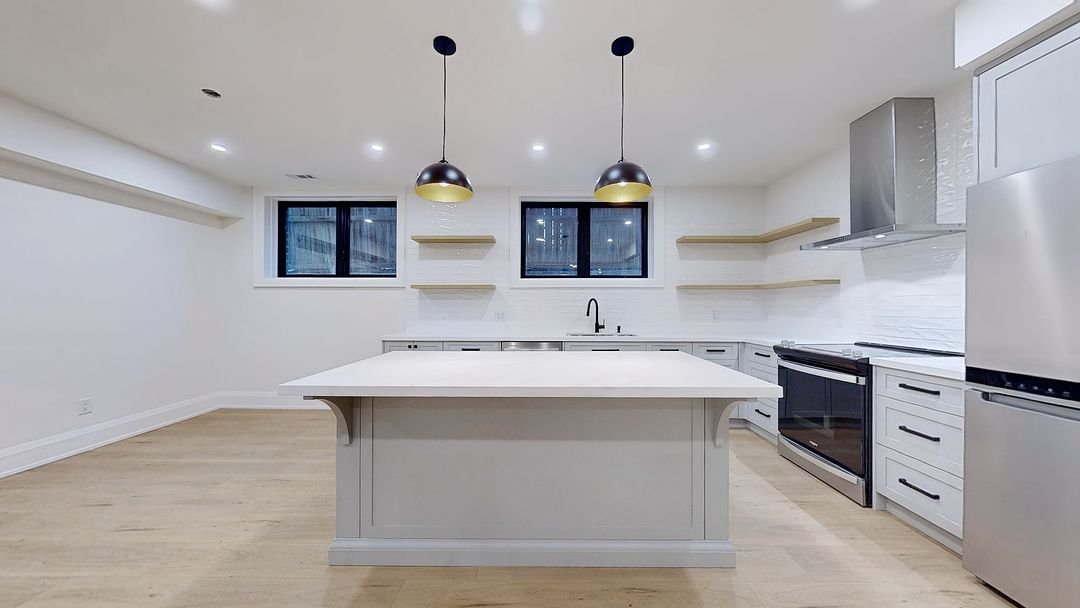
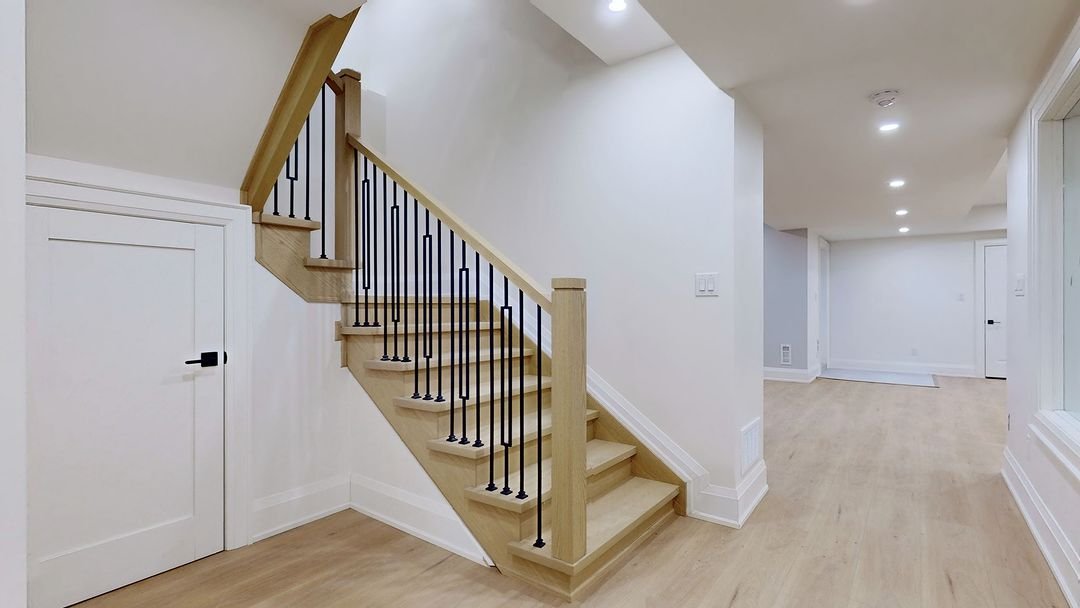
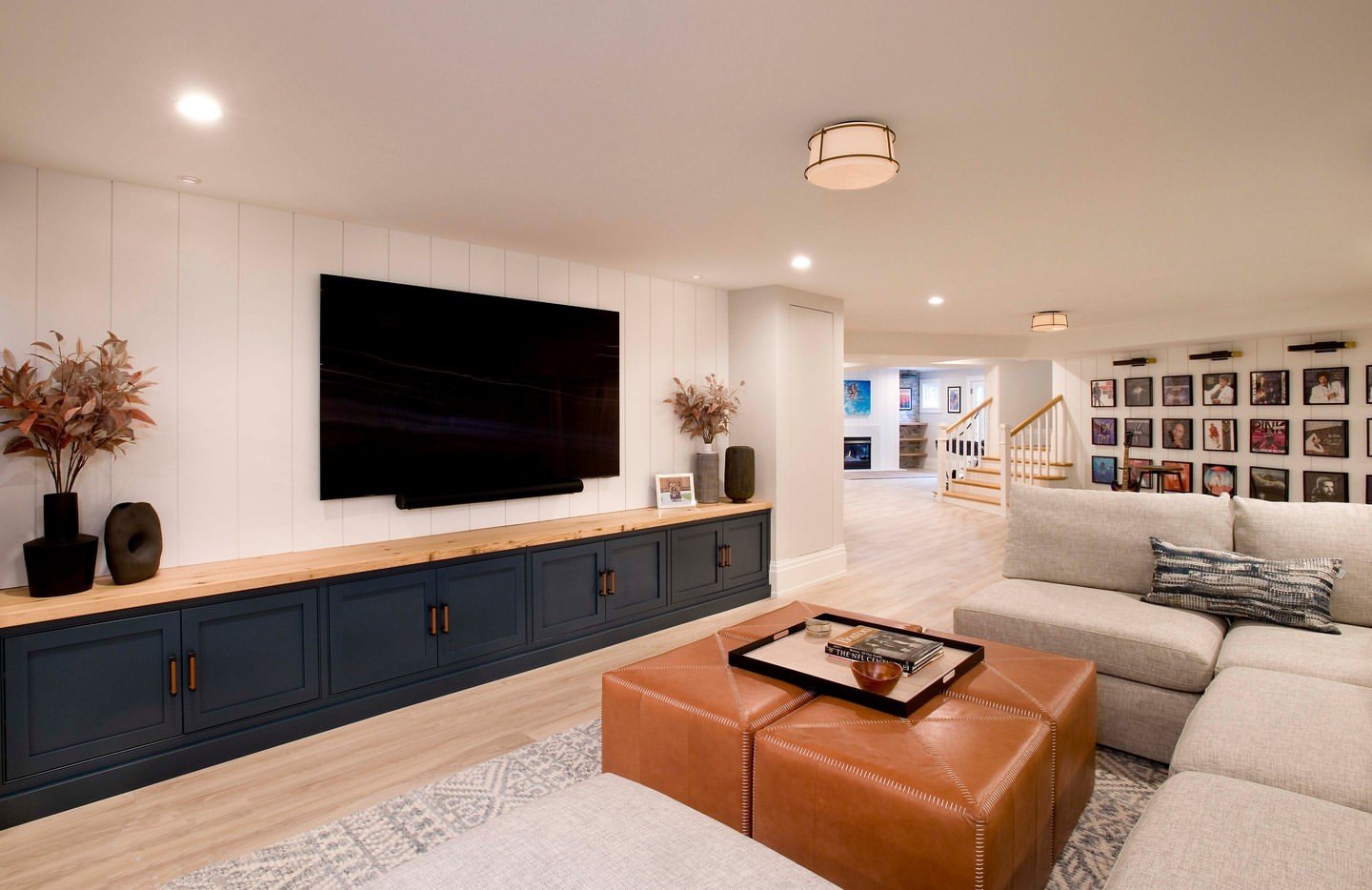
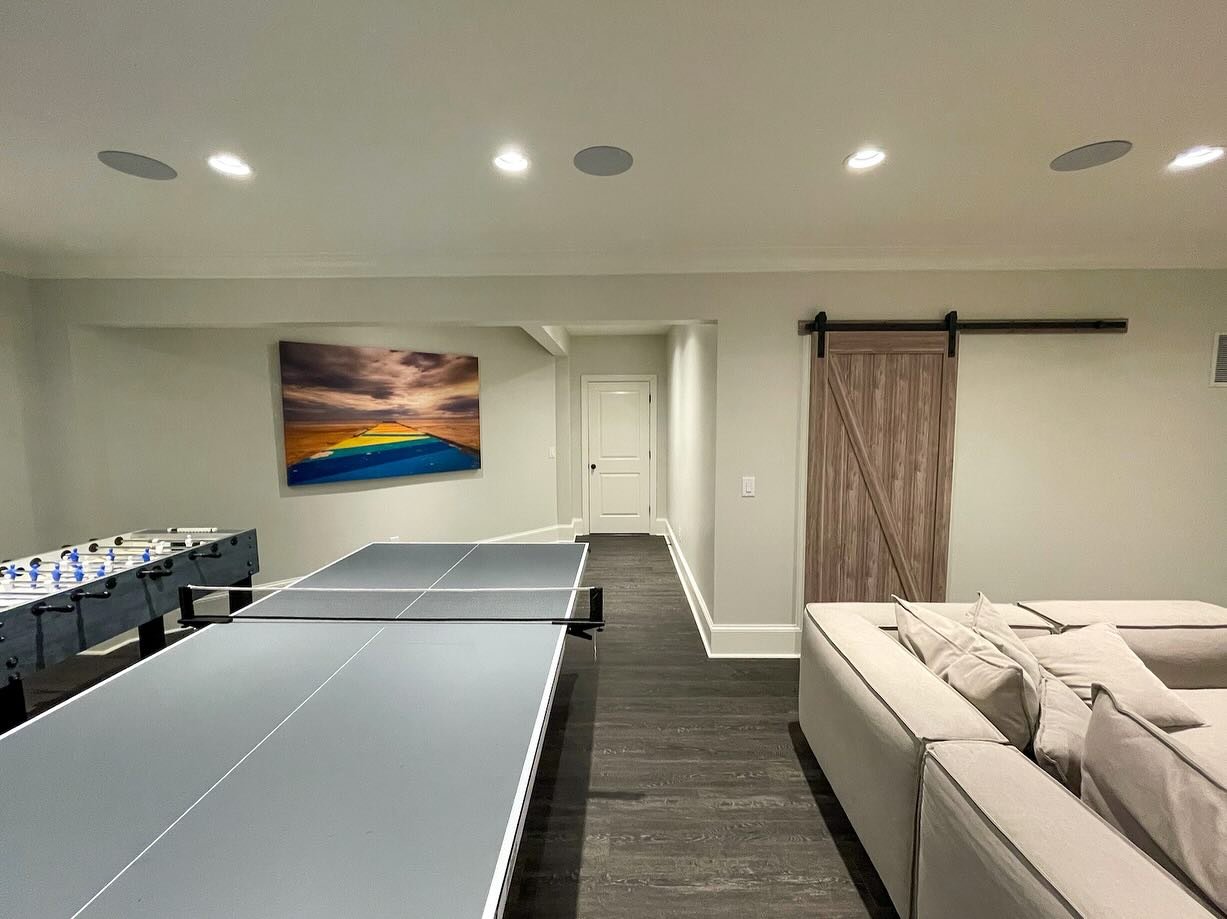
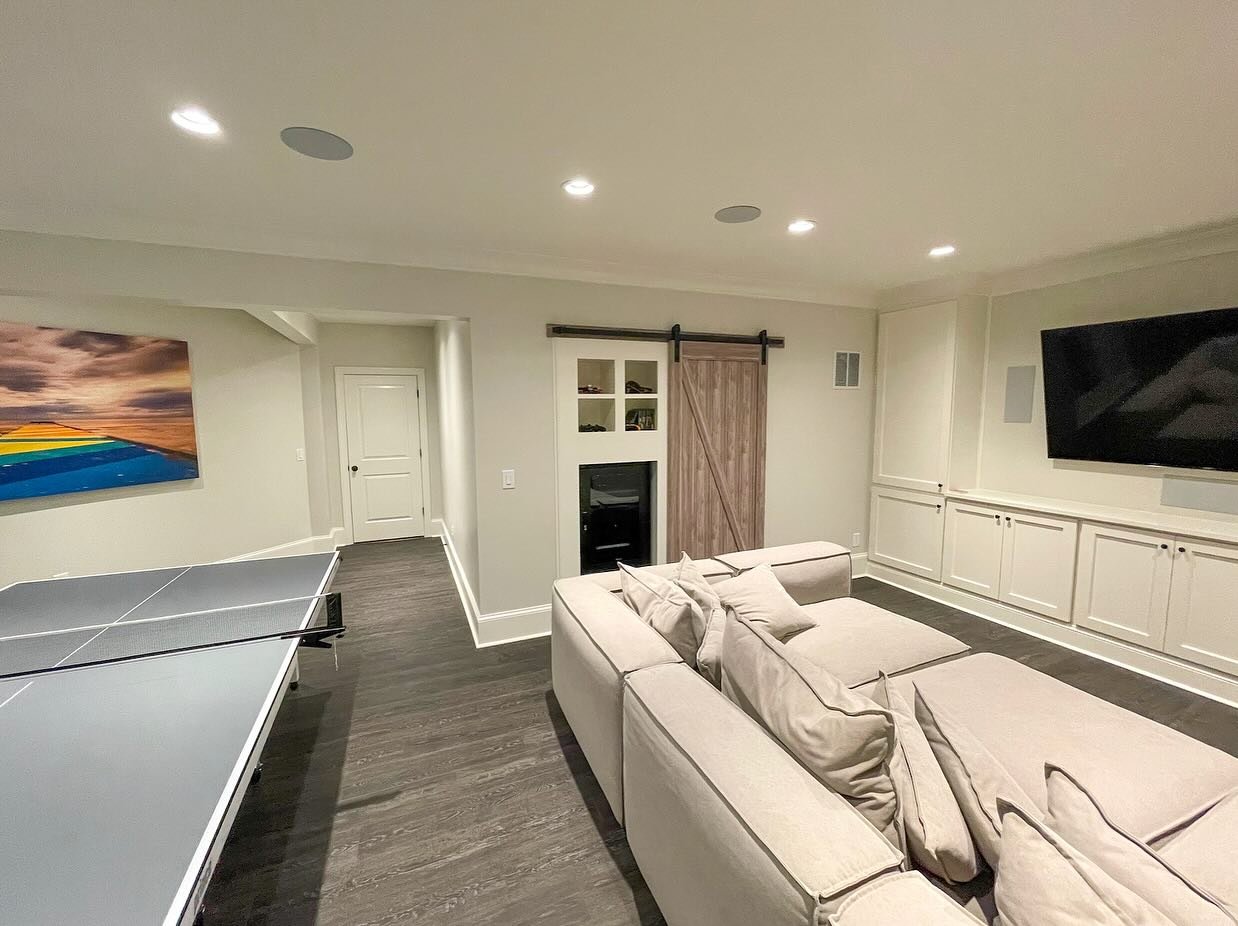
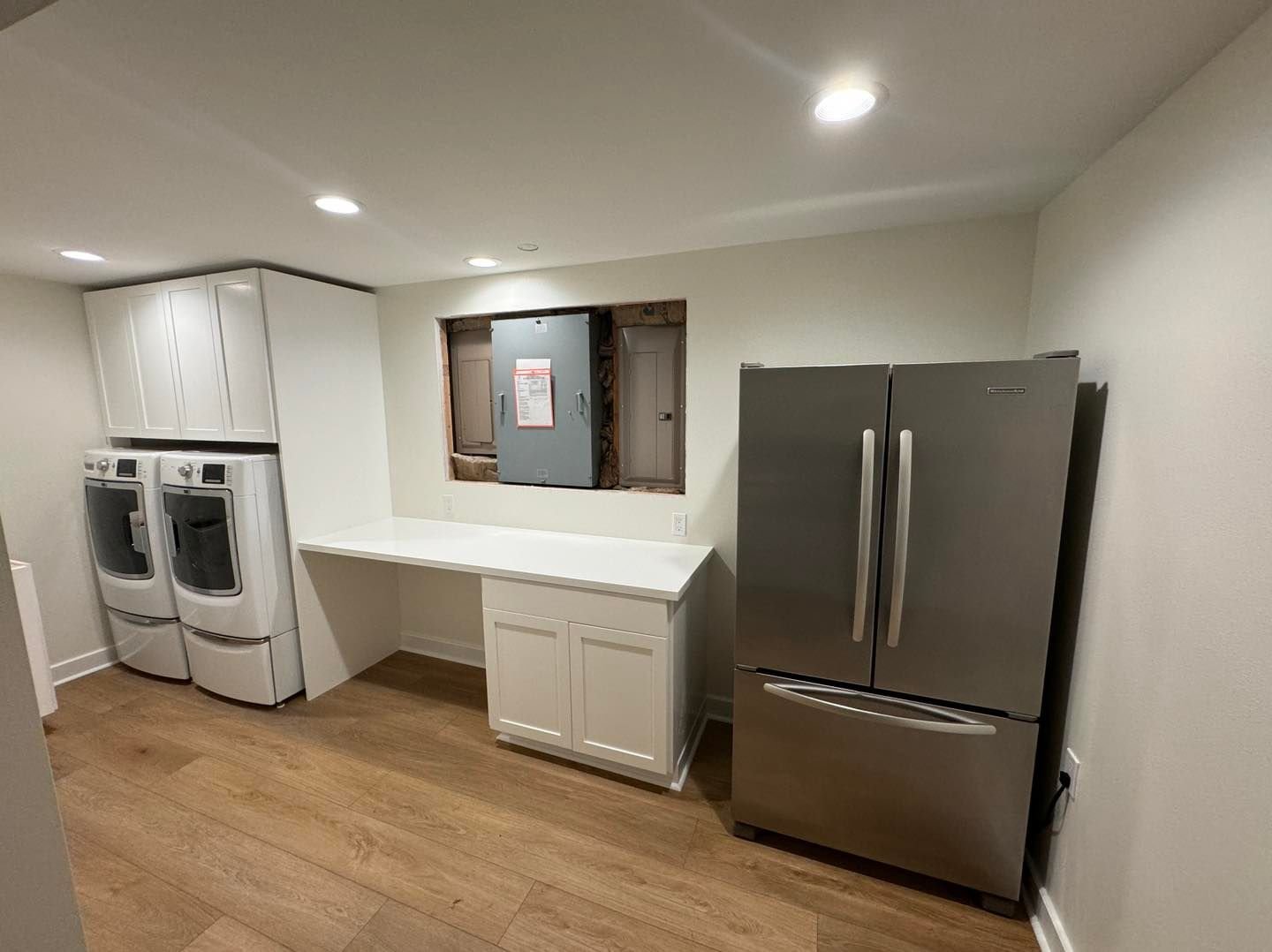
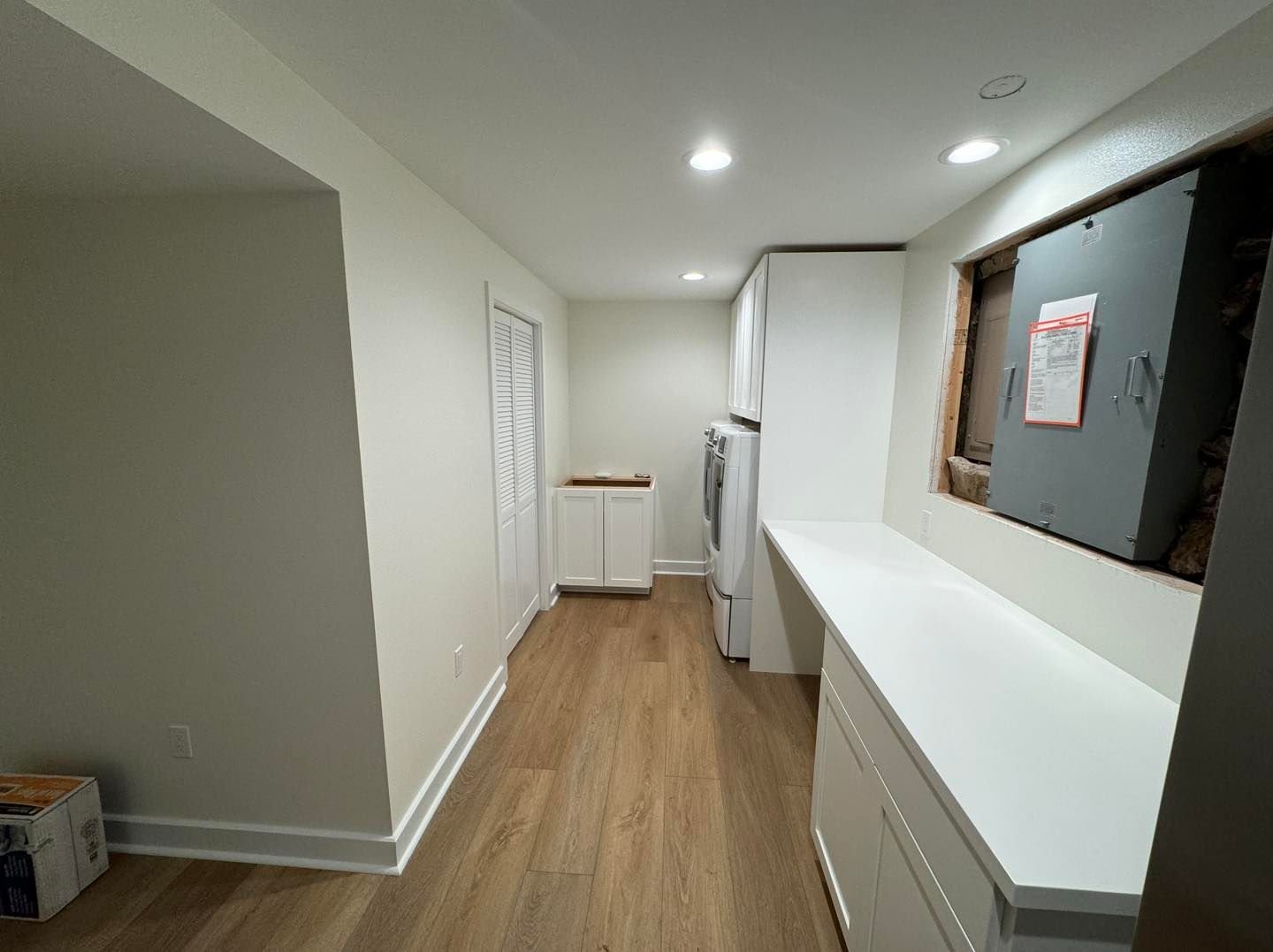
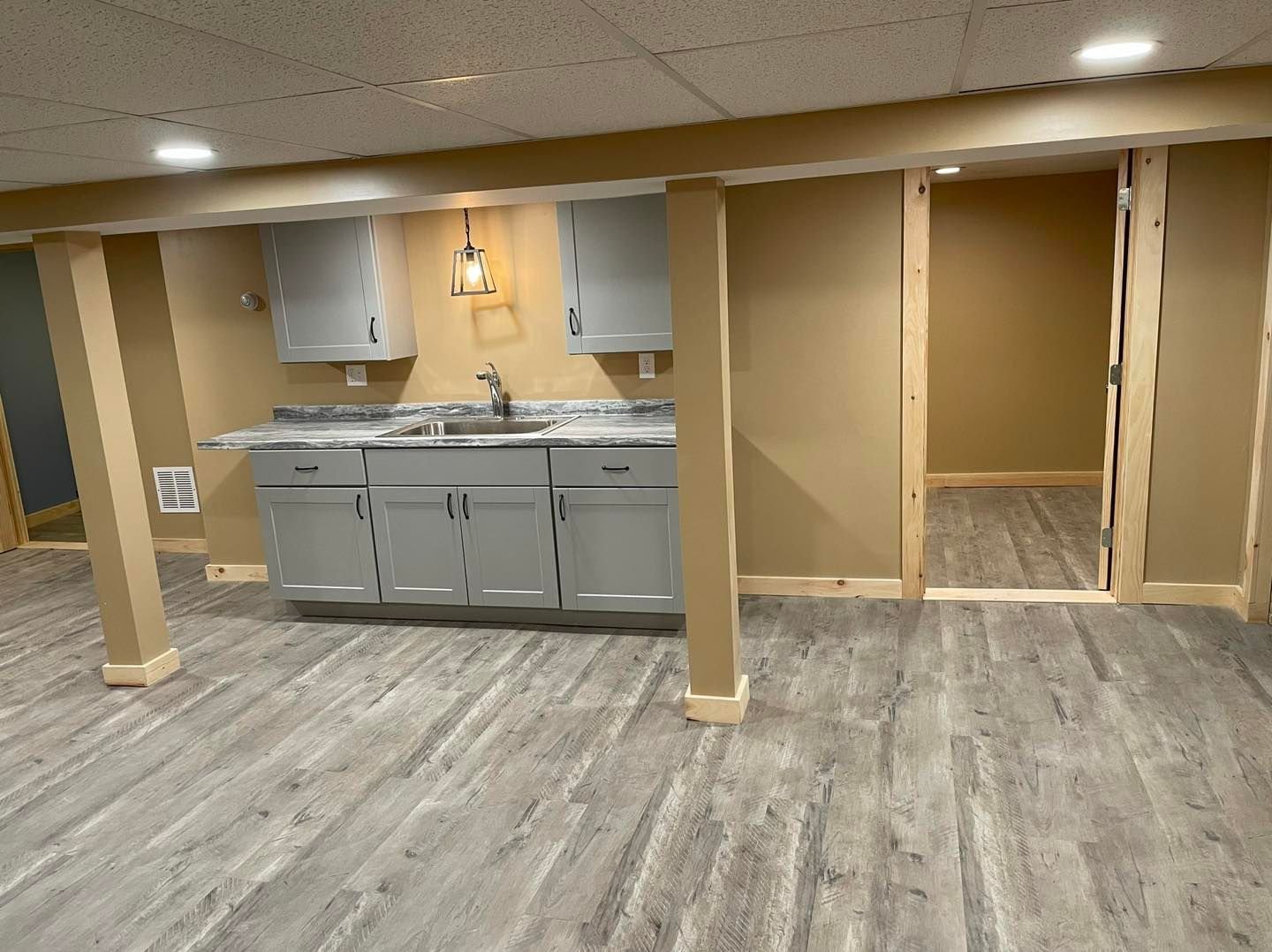
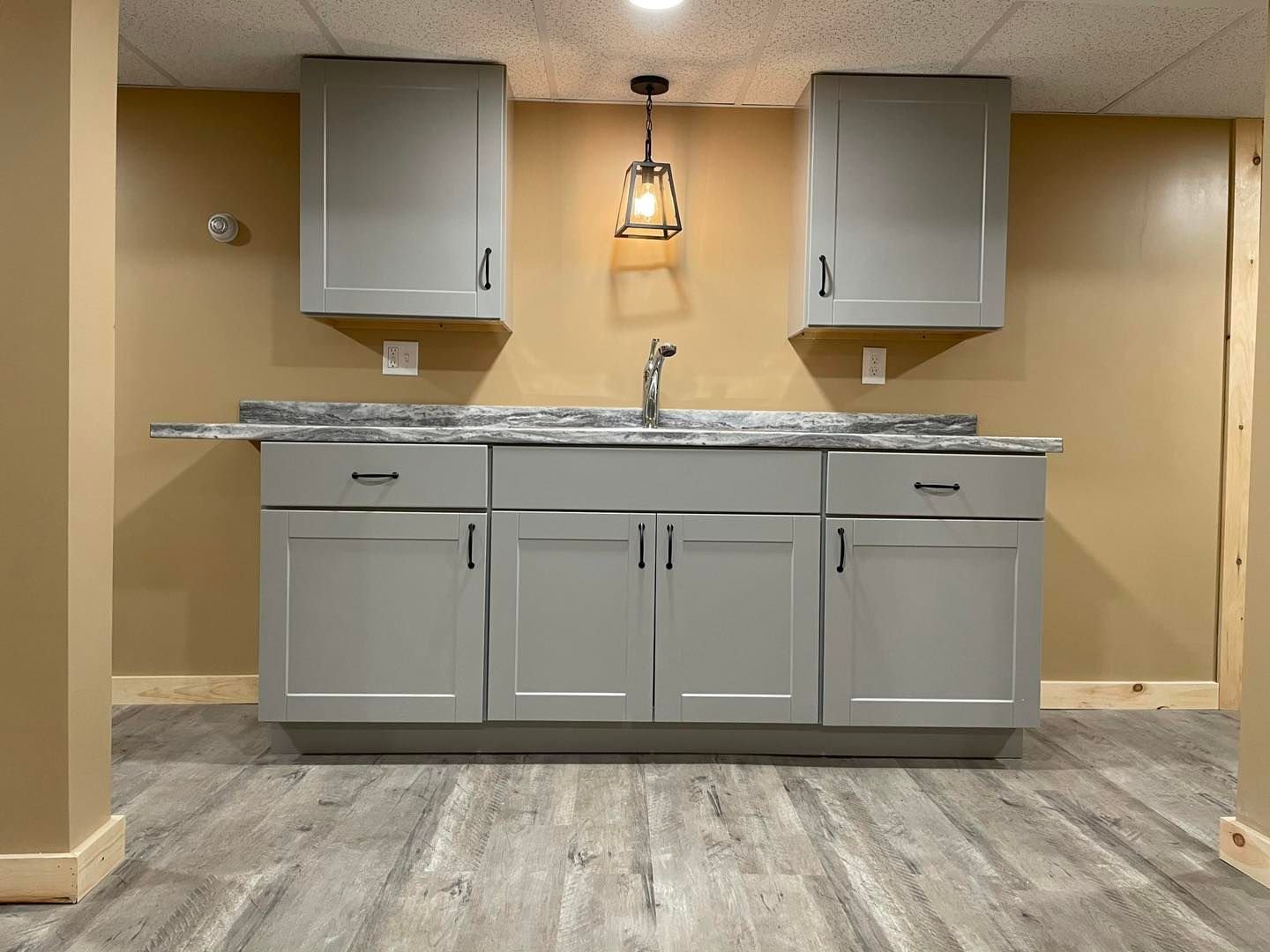
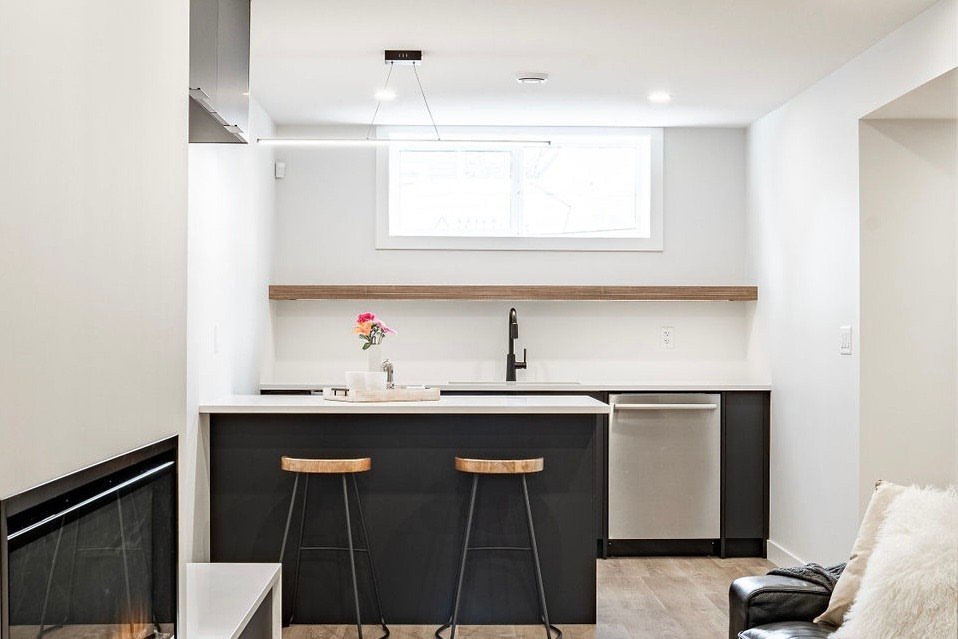
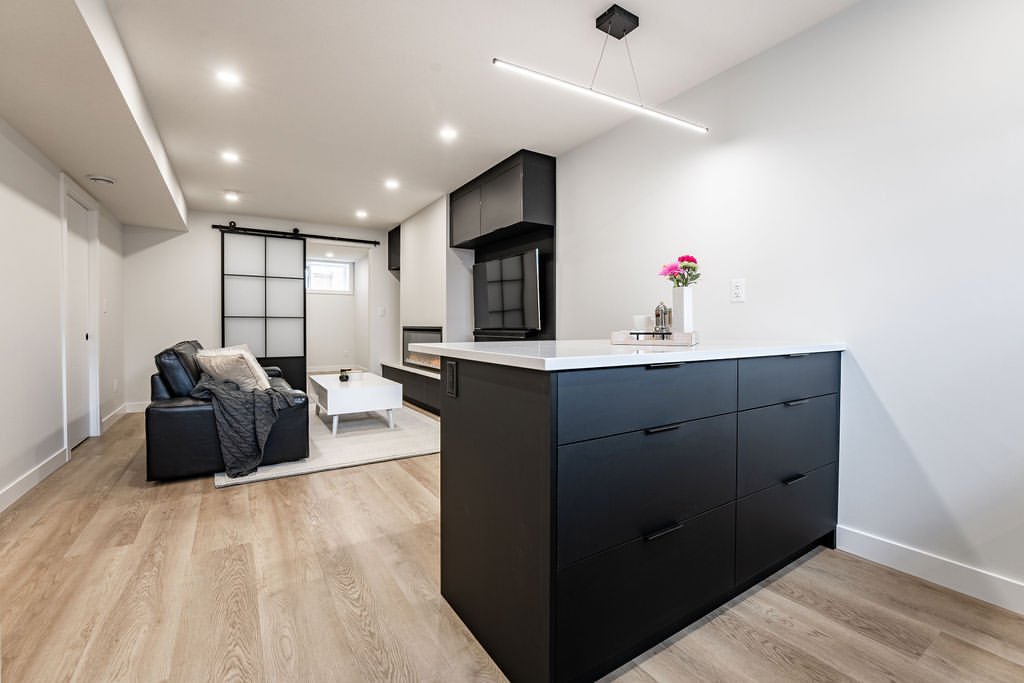
See Our Recent Legal Basement Apartment Projects
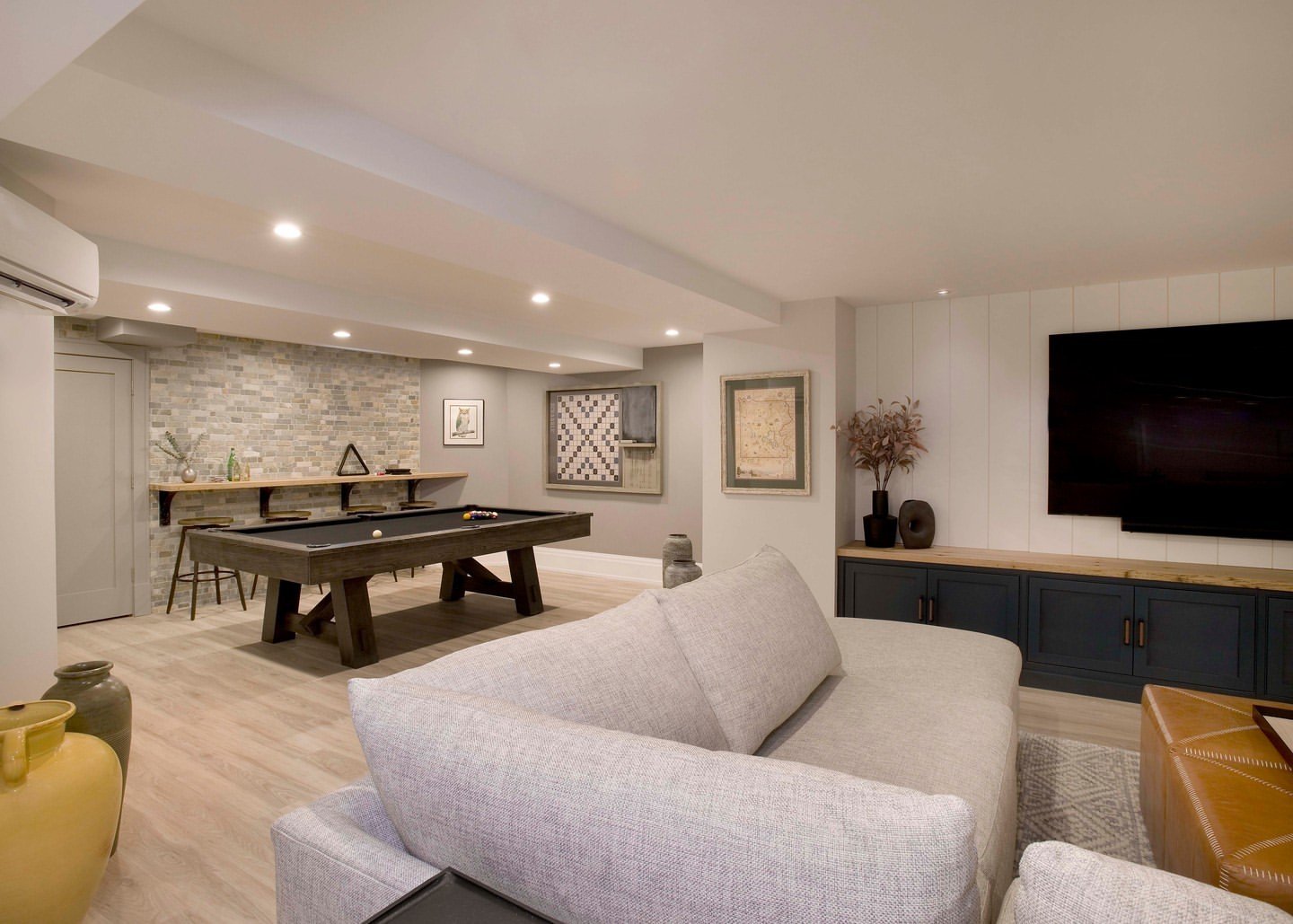
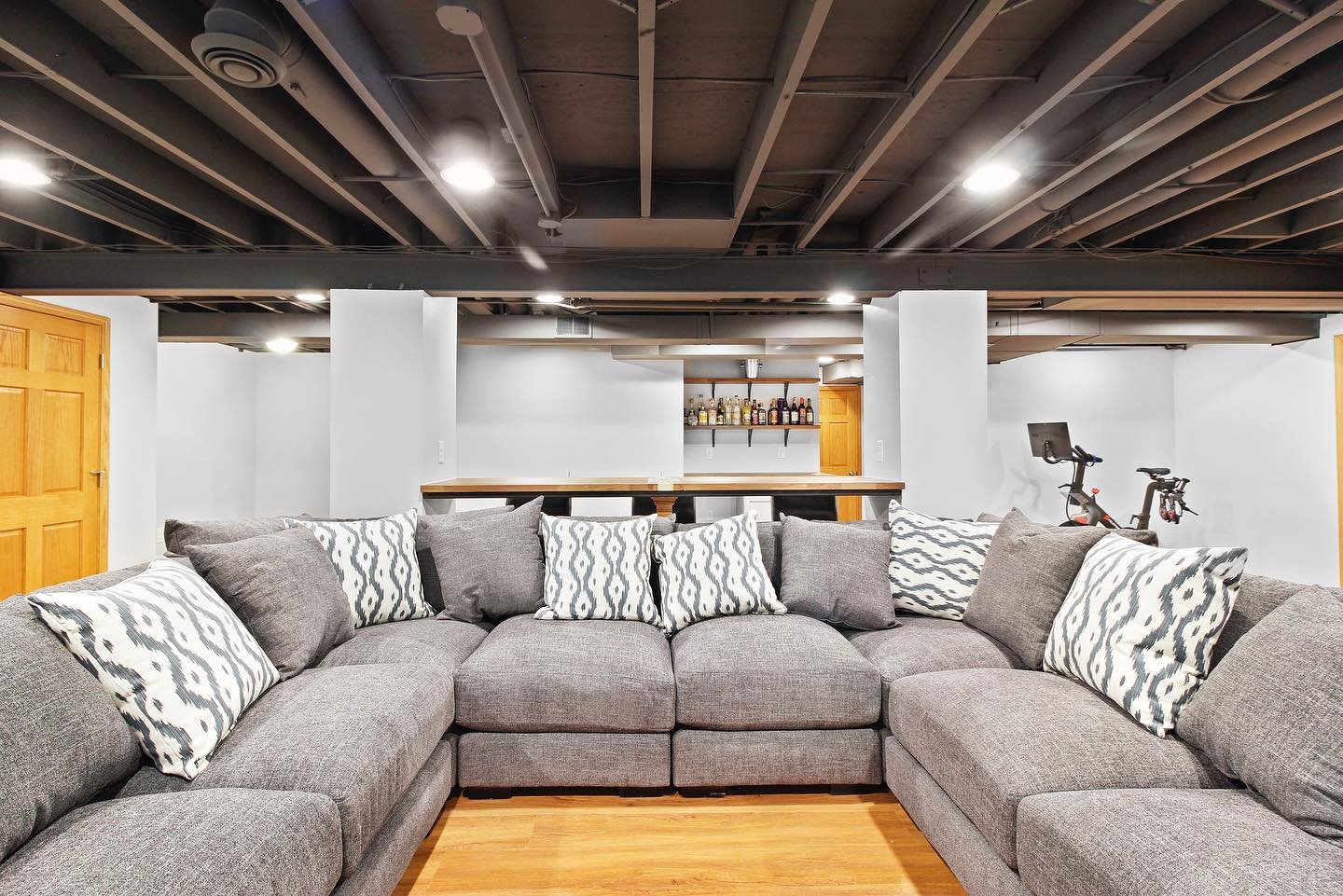
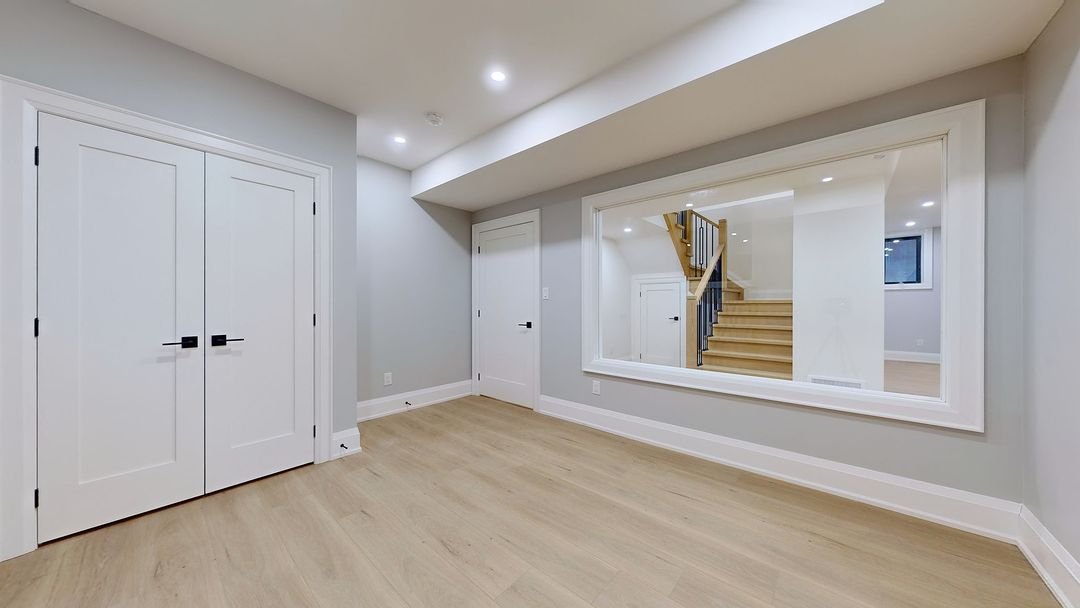
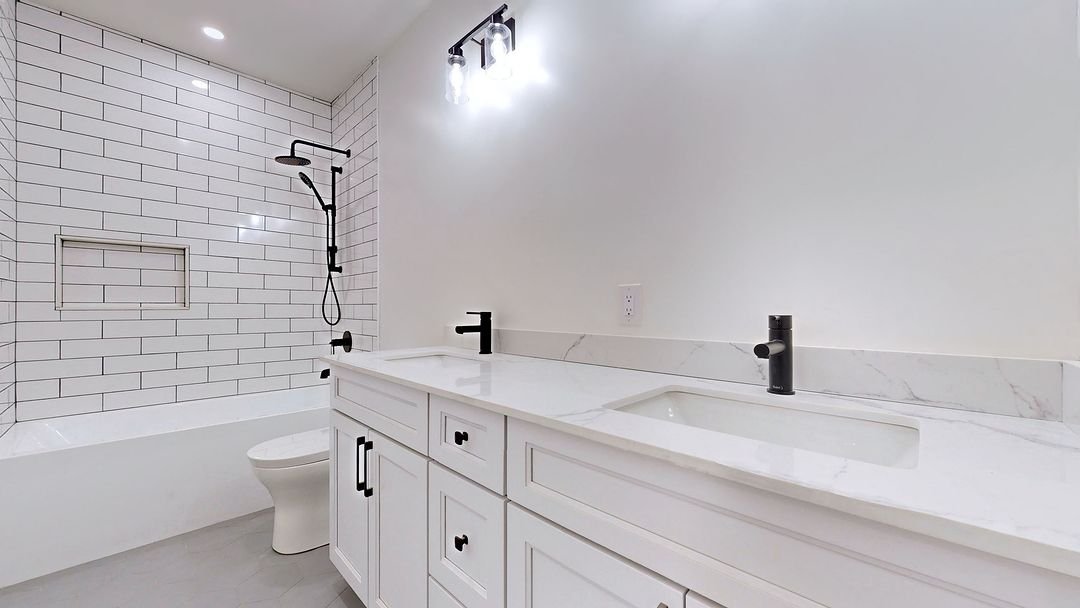
Check out our photo gallery for before-and-after pictures of legal second units, in-law suites, and basement conversions we’ve completed across London, ON.
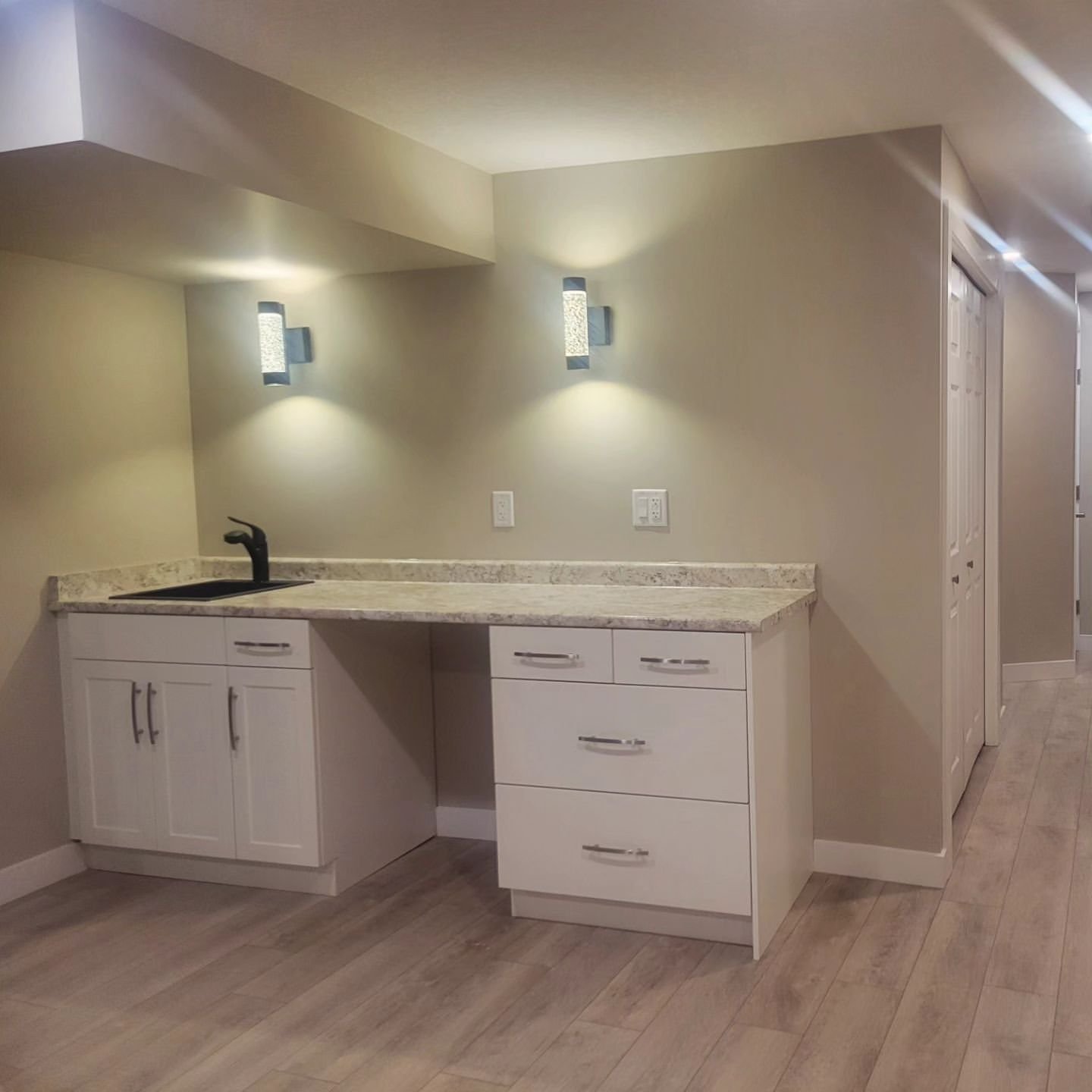
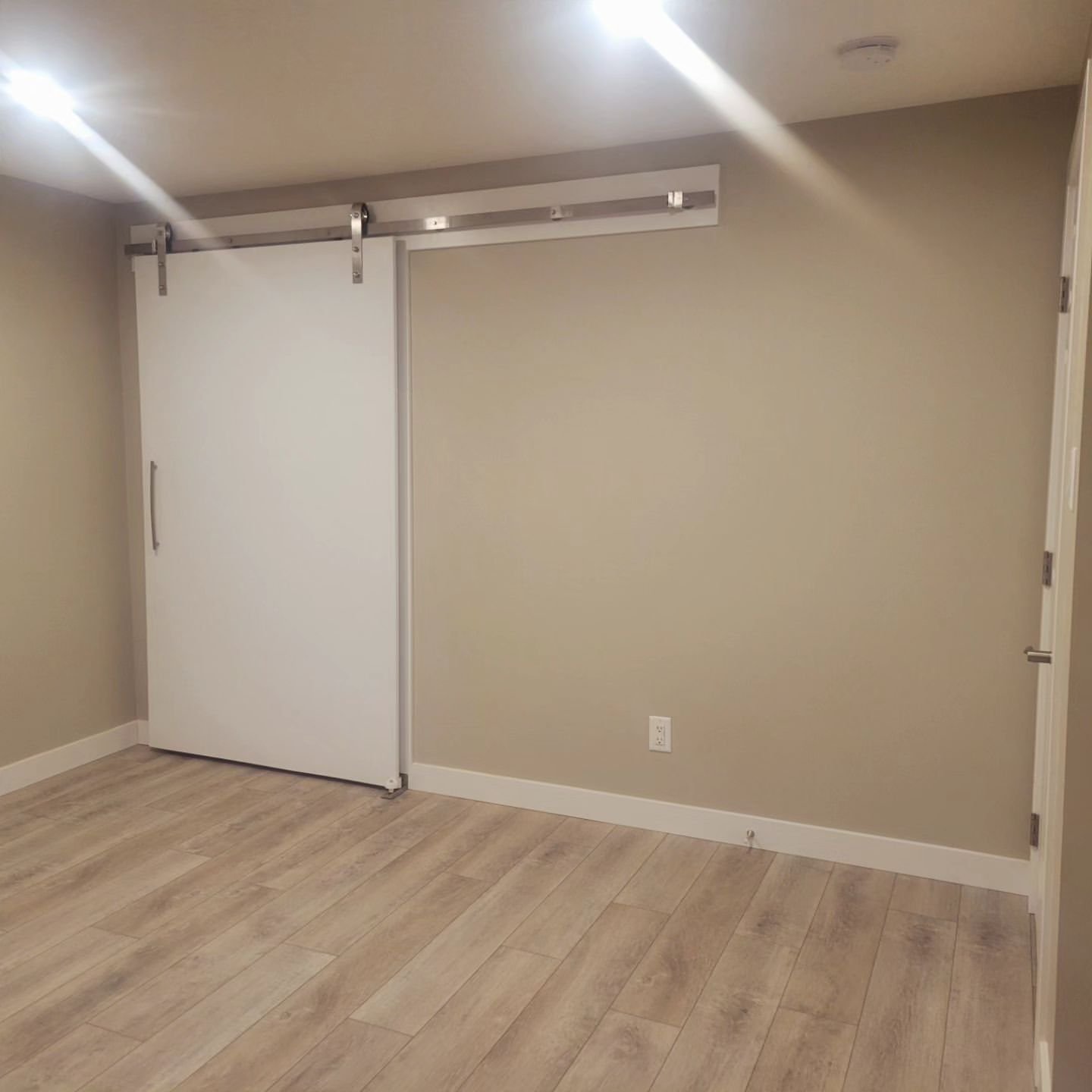
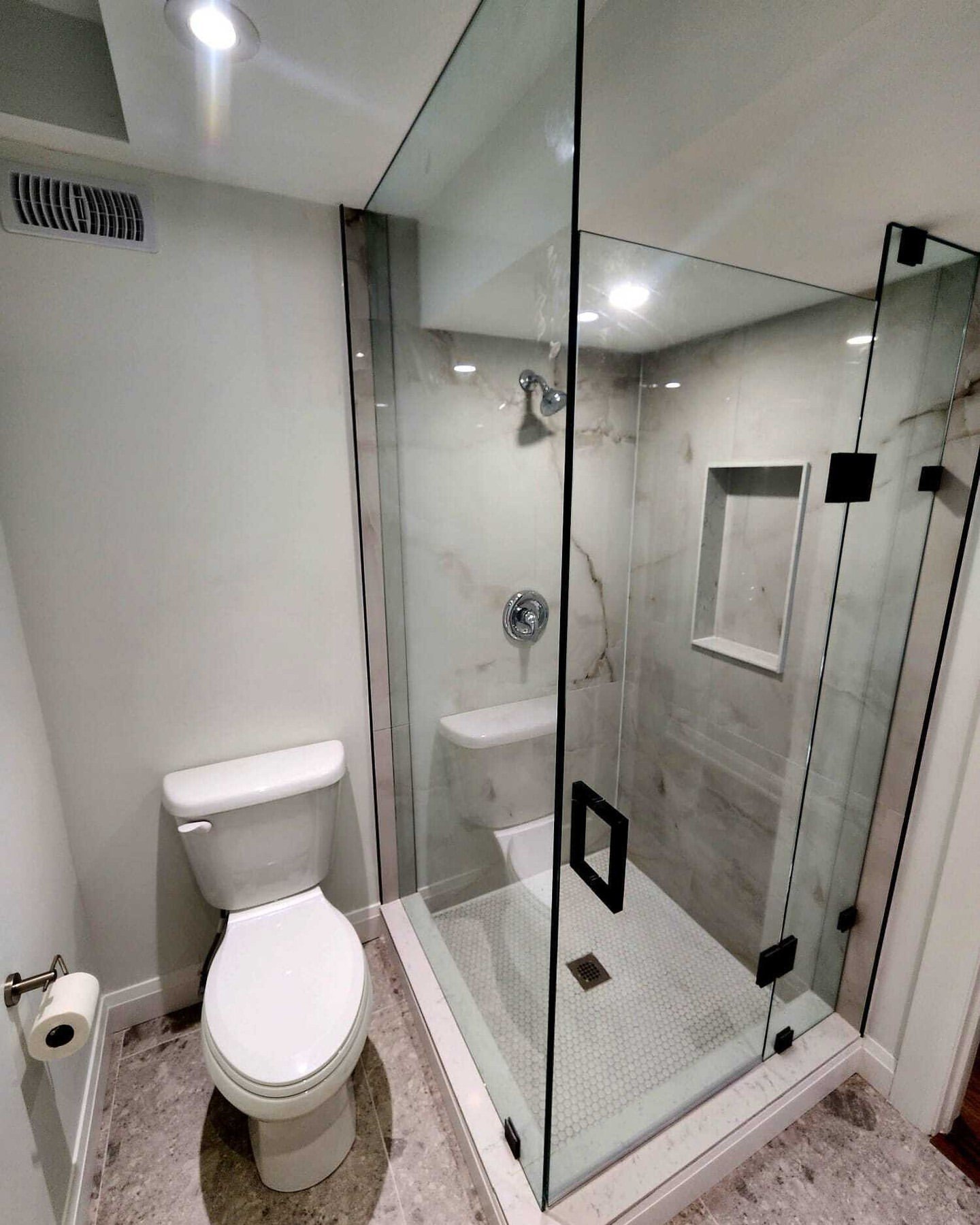
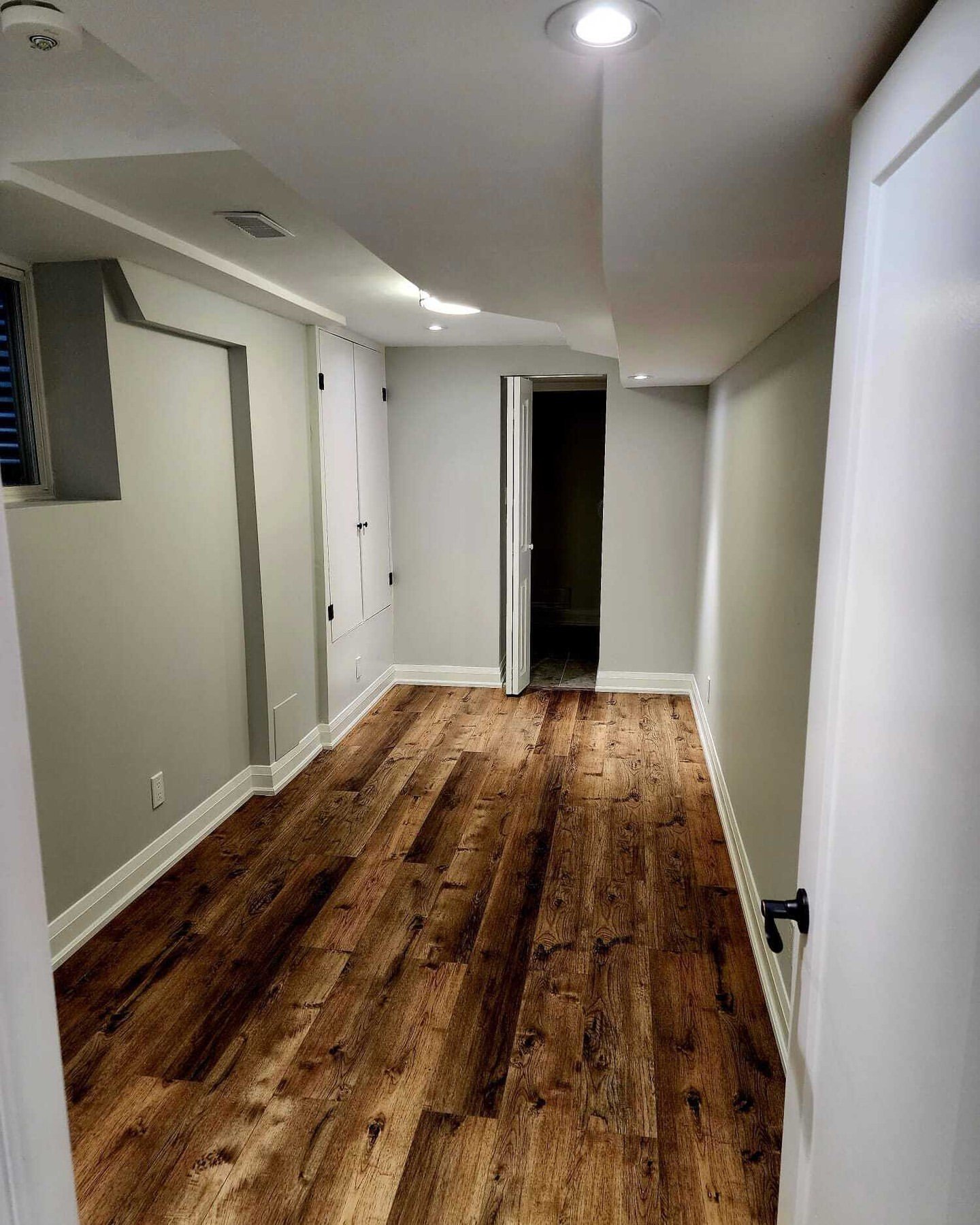
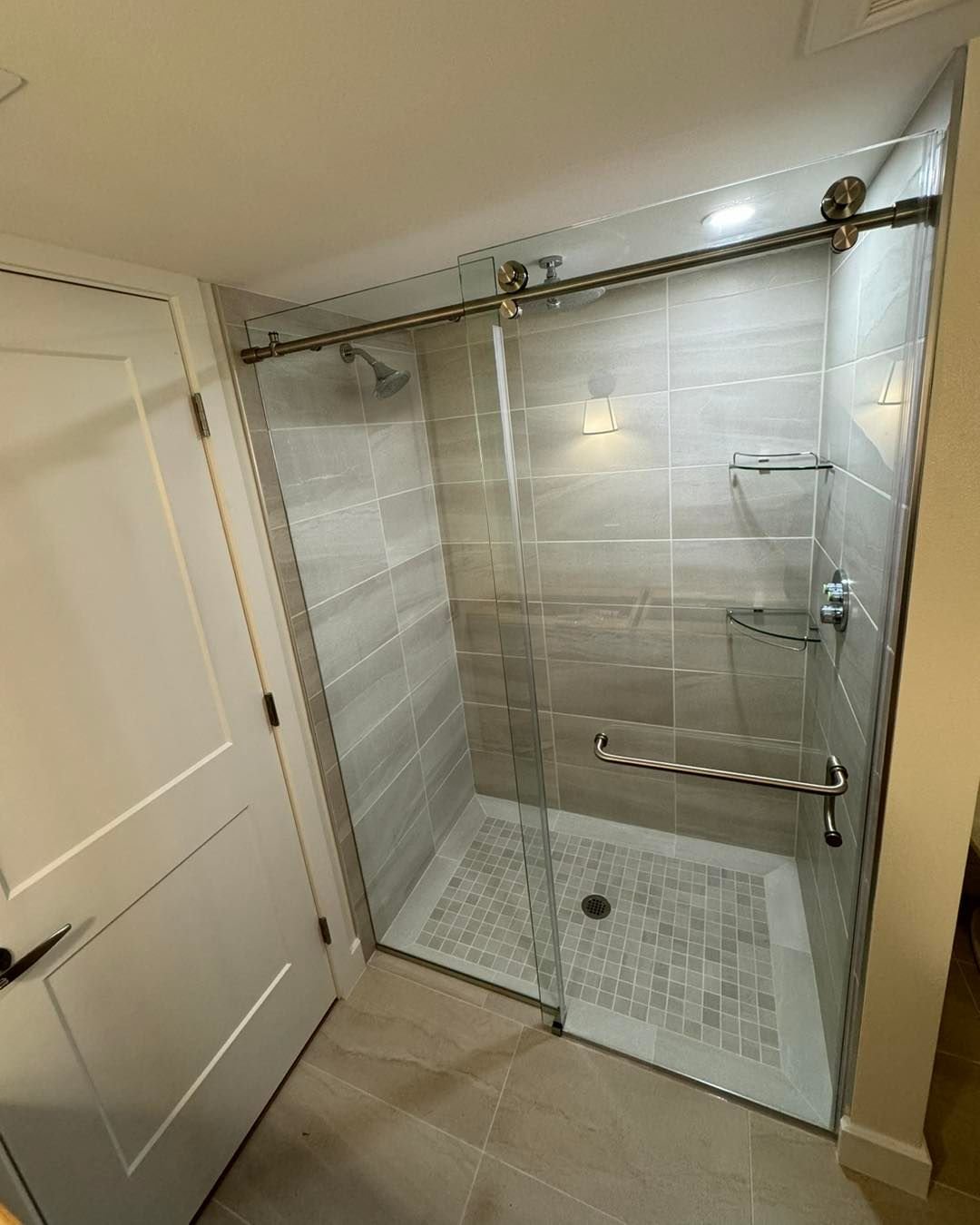
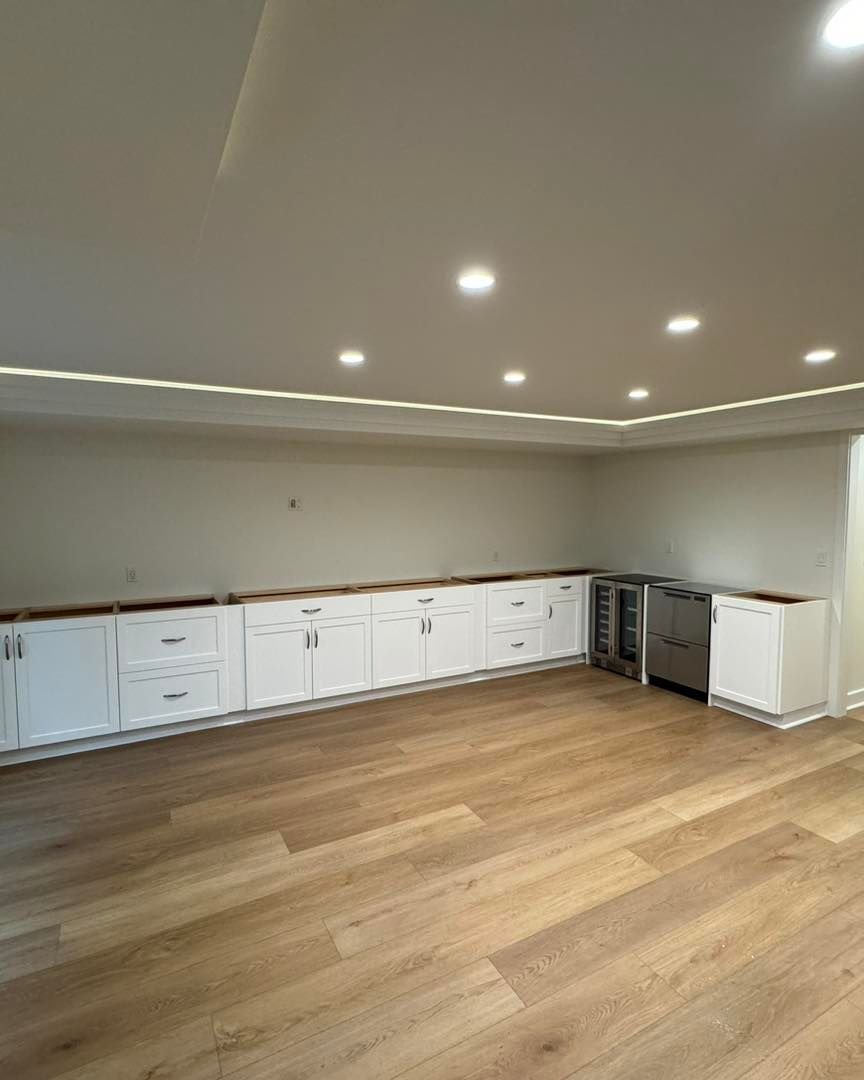
Legal Requirements for Basement Apartments in London, ON
Building a legal basement apartment (also called a secondary suite or accessory dwelling unit) in London, Ontario requires following the Ontario Building Code (OBC) and the City of London’s zoning and by-law regulations. Meeting these standards ensures your basement apartment is safe, habitable, and legally rentable.
A basement apartment in London, ON is considered legal if it:
- Meets the Ontario Building Code
- Passes all city inspections
- Has the proper zoning approval for a secondary unit
- Obtains all required building permits
Without meeting these requirements, the unit cannot be legally rented.
Here are the main legal requirements for a basement apartment in London, Ontario:
1. Ceiling Height
- The finished ceiling height must be at least 1.95 m (6’5”) over most of the living area.
- Some lower ceiling areas (such as under beams or ducts) may be slightly less, but must comply with OBC allowances.
2. Separate Entrance
- The unit must have its own private entrance (side door, back entrance, walkout, or through a common vestibule).
3. Egress Windows
- All bedrooms must have a proper egress (escape) window large enough for occupants to exit in case of fire.
- Minimum window opening: 0.35 m² (3.77 sq. ft.) with no dimension smaller than 15 inches.
4. Fire Safety & Separation
- The basement unit must have fire-rated drywall between the apartment and the rest of the home.
- Smoke alarms and carbon monoxide detectors must be installed in both units and interconnected.
- Fire separation doors may be required depending on layout.
5. Plumbing & Electrical Compliance
- All plumbing must meet code, with proper water supply and drainage.
- Electrical work must be inspected and certified by the Electrical Safety Authority (ESA).
6. Heating & Ventilation
- The apartment must have adequate heating and ventilation.
- If using a shared HVAC system, proper fire dampers may be required.
7. Parking Requirements
- The City of London typically requires one additional parking space for the basement unit, unless located in certain exempted zones.
8. Permits & Inspections
- You must obtain a building permit before starting construction.
- The City of London will conduct inspections during and after construction to ensure compliance.
💡 Our team takes care of the entire process — from design and permits to final approval.
How to Make Your Basement a Legal Secondary Unit in London, Ontario: Step-by-Step Guide
STEP 1: Confirm Zoning & Property Eligibility
Before doing anything, confirm your property is allowed to have a legal basement unit.
What to check:
- Property zoning (most residential zones allow 1 additional unit)
- Detached, semi-detached, or townhouse eligibility
- Maximum number of units allowed
- Parking requirements
- Lot size and setbacks
How:
- Contact City of London Planning & Development
- Or check online zoning map (GeoLondon)
- Ask specifically:
“Is a basement ARU permitted at my address?”
“How many units are allowed?”
✅ Do this first — zoning issues can stop the project entirely.
STEP 2: Initial Design & Feasibility Review
Assess whether your basement can physically meet code.
Key requirements:
- Minimum ceiling height:
6 ft 5 in (1.95 m) clear height (may vary slightly with beams/ducts)
- Proper natural light:
Windows size must meet OBC bedroom/living room requirements
- Separate entrance:
Interior or exterior allowed
Fire separation:
Required fire-rated assemblies between units
Soundproofing:
OBC requires minimum sound transmission ratings
Heating:
Independent or shared system with controls
⚠️ If ceiling height is insufficient, underpinning may be required.
STEP 3: Hire Qualified Professionals
You will likely need:
- BCIN-qualified designer (mandatory for permit drawings)
- Structural engineer (if underpinning or structural changes)
- HVAC professional
- Licensed electrician & plumber
Drawings must include:
- Floor plans
- Fire separations
- Egress windows
- Plumbing & electrical layouts
- Mechanical ventilation
- Smoke/CO alarms
- Parking layout (if required)
STEP 4: Apply for a Building Permit
This is mandatory.
Where:
City of London – Building Division
Submit:
- Building permit application
- Construction drawings
- Designer Information Form
- Zoning confirmation
- Permit fees (based on square footage)
⏳ Review time:
Typically 2–4 weeks (can be longer)
🚫 Do not start construction before permit approval
STEP 5: Fire Code & Life Safety Compliance
This is one of the most critical steps.
Requirements include:
Fire separation:
Typically 30–45 minute fire rating
Self-closing solid core doors
Smoke alarms in:
Each bedroom
Hallways
Shared spaces
Carbon monoxide detectors
Fire blocking in concealed spaces
🔥 Fire inspections are strict — shortcuts fail inspections.
STEP 6: Egress & Windows
Each bedroom must have legal egress.
Minimums (typical):
- Window opening ≥ 0.35 m²
- Minimum opening dimension ≥ 380 mm
- No more than 1 m from floor to window sill
- Window well must allow full opening
🚪 If no window meets this, new egress windows must be cut
STEP 7: Plumbing, Electrical & HVAC
All systems must meet Ontario codes.
Plumbing:
- Separate or shared systems allowed
- Proper venting
- Backwater valve (often required)
Electrical:
- ESA inspection required
- Separate panel or sub-panel
- Arc-fault & GFCI protection
HVAC:
- Heat source required for each unit
- Proper ventilation & fresh air supply
STEP 8: Parking & Exterior Requirements
London typically requires:
- 1 additional parking space per new unit
- Must be legal size & surface
- Cannot block sidewalks or fire routes
- Also:
- Exterior entrance must meet safety and zoning rules
- Proper grading & drainage
STEP 9: Required Inspections (During Construction)
You must book inspections at each stage:
- Framing
- Plumbing rough-in
- Electrical (ESA)
- Insulation & fire separation
- Final building inspection
❌ Missing inspections can invalidate the permit.
STEP 10: Final Approval & Occupancy
Once all inspections pass:
- City issues final approval
- Basement unit becomes a legal dwelling
- You may now:
Rent it legally
Insure it properly
Advertise it openly
STEP 11: Register Unit (If Required)
Some ARUs must be registered with the City.
- Property tax assessment updated
- Utility considerations
- Landlord obligations apply
Common Mistakes to Avoid
❌ Starting work without a permit
❌ Ignoring fire separation requirements
❌ Illegal ceiling height assumptions
❌ No egress windows
❌ Unlicensed contractors
❌ Skipping inspections
Typical Timeline
- Planning & design: 2–4 weeks
- Permit approval: 2–4 weeks
- Construction: 6–12 weeks
- Total: 3–5 months
Cost of a Legal Basement Apartment in London, Ontario
| Renovation Type | Average Cost (London, ON) |
|---|---|
| Basement Finishing (non-legal) | $20,000 – $50,000+ |
| Legal Basement Apartment | $50,000 – $95,000+ |
| Full Secondary Suite Conversion | $60,000 – $120,000+ |
Pricing depends on basement size, condition, and desired finishes.
Client Reviews
⭐️⭐️⭐️⭐️⭐️
“London Renovations helped us build a legal basement apartment. They handled permits, city inspections, and now we rent it out to students — a smooth experience from start to finish!”
— Sarah M., London, ON
⭐️⭐️⭐️⭐️⭐️
“Our in-law suite turned out beautiful and fully legal. Professional and detail-oriented team.”
— Daniel R., London, ON
Service Areas – Legal Basement Apartment Renovations Near You
We provide legal basement apartment renovations in:
- London, Ontario (Byron, Hyde Park, Masonville, White Oaks, Stoney Creek, and all neighbourhoods)
- Surrounding areas: St. Thomas, Strathroy, Dorchester, Komoka, Ilderton
Start Your Legal Basement Apartment Project Today
Ready to create a legal basement apartment in London, ON? Trust London Renovations to deliver a safe, code-compliant, and beautifully finished suite that adds value to your home.
📍 London Renovations
📞 Call: 519-494-3673
📧 Email: info@londonrenovations.ca
🌐 www.londonrenovations.ca
📅 Book a Free On-Site Estimate
FAQ – Legal Basement Apartments in London, Ontario
1 Do I need a permit for a basement apartment?
✅ Yes.
You must obtain a building permit (and often plumbing/electrical permits) from the City of London before beginning work to create a legal basement apartment.
2 What makes a basement apartment legal?
A legal basement unit must:
Comply with the Ontario Building Code (OBC)
Meet London’s zoning bylaws
Pass all required city inspections
Have the proper permits approved before construction begins
If any of these are missing, the unit is considered illegal and cannot be rented.
3 Can I rent my basement without making it legal?
❌ No.
Renting an illegal basement apartment can lead to fines, penalties, and liability. It’s also unsafe for tenants.
4 What are the key building requirements?
Here are the main standards:
✔ Ceiling height
Minimum finished height ~1.95 m (6’5″) over most living areas.
✔ Separate entrance
A private entrance (e.g., side door, walk-out) is required.
✔ Egress windows
Bedrooms must have windows that meet egress size/opening rules (for fire escape).
✔ Fire safety & separation
Fire-rated drywall and proper smoke/CO alarms are mandatory between units.
✔ Electrical & plumbing compliance
Work must be ESA-certified and inspected.
✔ Heating & ventilation
The unit must have adequate heating/ventilation per code.
✔ Parking
Usually one extra parking space is required for the secondary unit, unless exempt.
5 Are there zoning restrictions?
Yes.
London’s zoning by-law permits secondary dwelling units in basements only if specific zoning conditions are met — including finished floor level requirements (not below sanitary sewer level), minimum unit size (e.g., 25 m²), and other zone rules.
6 How long does it take to complete a legal basement apartment?
⏱ Typical timeline: 8–16 weeks — depending on permits, design, construction and inspections.
(Another source from the same contractor notes ~6–12 weeks.)
7 Do contractors help with permits and inspections?
Yes — professional renovators like London Renovations handle design, permits, construction, and city inspections end-to-end.
8 What if I already have tenants?
If the unit isn’t legal, you cannot rent it legally until it’s brought up to code and permitted. Cities enforce standards to protect tenant safety and compliance. (Always verify with municipal staff directly.)
9 What are typical costs?
💰 Legal suite costs in London vary widely — usually $50,000–$120,000+ depending on size, entrance work, utilities, and finishes.
10 What documentation confirms legality?
Ask for documentation such as:
Building Permit
Inspection sign-offs
ESA electrical certification
Fire code compliance documentation
These show the unit is legal and safe.
London’s Trusted Basement Apartment Renovation Experts
At London Renovations, we’ve helped homeowners across London and surrounding areas transform their basements into legal, income-generating, and family-friendly living spaces.
Have any Questions?
Call us Today!
519-494-3673
- Commercial Renovations
- Residential Renovations
- Home Renovations
- Basement Renovations
- Bathroom Renovations
- Basement Finishing
- Custom Cabinets
- Kitchen Renovations
- Flooring Services
- Painting Services
- Drywall Installation / Repair
- Plumbing
- Legal Basement Apartment
- Fence Painting Services
- Garage Painting Services
- Legal Basement Renovations
- Retail Space Renovations
- Educational & Institutional Renovations
- Industrial and Warehouse Renovations
- Healthcare Centre Renovations
- Restaurant & Hospitality Renovations
- Office Remodeling
- Office Renovations
- Exterior Renovations
- Commercial Stucco Services
- Stucco Installation
- Stucco Services